
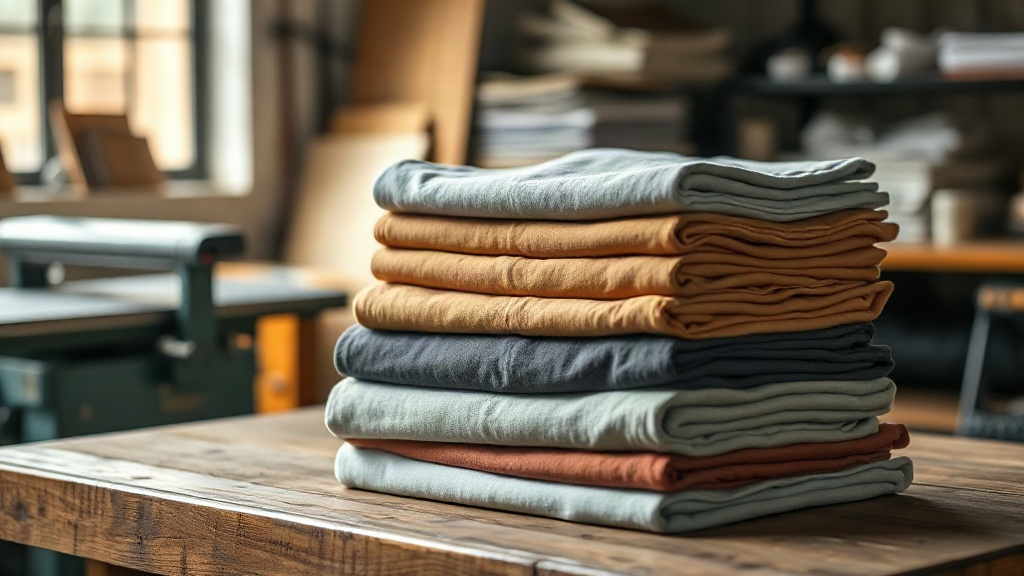
Walk into any print shop that runs a lot of direct-to-film transfers and you will eventually spot a stack of shaka wear tees sitting next to the press. It is not a flashy brand. There are no celebrity collaborations or drop calendars. But for a certain kind of printer, the heavyweight cotton blanks have become a quiet workhorse, and the reasons are worth understanding if you are trying to figure out which shirt to build your DTF operation around.
This guide covers what Shaka Wear actually is, why its fabric behaves well under a heat press, how to prep and press it for transfers that survive dozens of washes, and where it falls short so you can decide whether it belongs in your rotation.
What Shaka Wear Actually Is
Shaka Wear is a Los Angeles based apparel brand that built its reputation on basic, heavy cotton garments sold at accessible prices. The core product is the plain tee, but the catalog also includes hoodies, long sleeves, and a handful of other staples. The brand leans into a West Coast streetwear aesthetic without trying to be a fashion label. It is the kind of shirt you buy in a five-pack because you want something that feels substantial and does not cost what a premium blank costs.
For DTF printers, that positioning matters. The brand sits in a middle zone that is increasingly rare: heavier than the cheapest commodity blanks, cheaper than the boutique American-made options, and consistent enough that you can reorder the same style number and get roughly the same shirt back. That consistency is the whole game when you are running transfers at volume.
The Fabric and Fit Basics
Most Shaka Wear tees are cut from 100 percent cotton in the 6 to 7 ounce range, which puts them firmly in heavyweight territory. The fit tends to run boxy and slightly oversized, with a relaxed shoulder and a longer body. That silhouette is not an accident. It is designed to drape well on its own, and it also gives a DTF transfer more surface area to sit on without stretching across the chest.
Colors are mostly solid and deeply dyed. That matters for transfer work because a rich, evenly dyed garment hides the slight edge of a film transfer better than a thin, washed-out blank does.
Why Shaka Wear Works Well With DTF Transfers
DTF printing is more forgiving than screen printing on fabric variety, but it is not magic. The film still needs a surface that accepts adhesive powder and cured ink without fighting back. Shaka Wear's cotton construction hits several of the right notes.
- Weight and density: Heavier cotton resists the slight puckering you get when a transfer cools and contracts. Thin shirts show ripples around the print edge after a few washes.
- Low stretch: The relaxed fit means less mechanical stress on the transfer during wear, which slows cracking.
- Solid dye lots: Deep, even color means no ghosting where the film edge meets the shirt.
- Predictable shrinkage: Pre-shrunk or minimally shrinking cotton means your placement stays where you pressed it.
None of these are exotic features. They are just the fundamentals, and Shaka Wear delivers them at a price point that makes sense for shops selling custom tees at retail.
How It Compares to Other Common Blanks
If you are used to pressing on a standard ringspun cotton tee, Shaka Wear will feel sturdier and a little stiffer out of the bag. It softens after the first wash but keeps its body. Compared to tri-blends, it takes DTF ink with less fuss because there is no synthetic content interfering with adhesion. Compared to 100 percent polyester performance shirts, it is a completely different animal, and you should not expect the same low-temperature press settings to carry over.
Prepping Shaka Wear for a DTF Transfer
Preparation is where most transfer failures actually happen. The press gets blamed, but the shirt was the problem. Here is a routine that works reliably on Shaka Wear cotton.
- Pre-press the garment. Thirty to forty seconds at press temperature removes moisture and relaxes the weave. Skipping this step is the number one cause of transfers peeling at the corners.
- Check for lint and sizing. Some new blanks carry a light factory finish. A quick pass with a lint roller or a clean press sheet handles it.
- Position with a template. Because the fit runs boxy, eyeballing placement on a Shaka Wear tee is riskier than on a slimmer cut. Use a placement guide or a folded measurement.
- Press, then peel according to your film. Cold peel and hot peel films are not interchangeable. Follow the film manufacturer's spec, not a generic chart.
Press Settings That Work
For most DTF films on a 100 percent cotton Shaka Wear tee, a starting point of 320 to 340 degrees Fahrenheit for 12 to 15 seconds at medium pressure gets you into the right zone. If you are pressing a large, dense design, add a few seconds. Always run a test shirt before committing a full order, because film brands vary more than people admit.
After the initial press, a second press of 5 to 10 seconds with a Teflon sheet or parchment over the transfer helps the ink settle into the fabric and improves wash durability noticeably.
Common Problems and How to Fix Them
Even with a good blank, things go sideways. Here are the issues that come up most often with Shaka Wear and DTF work, along with the usual culprits.
- Corners lifting after a wash: Almost always insufficient pressure or a skipped pre-press. Increase pressure slightly and pre-press longer.
- Transfer looks dull: Too much heat or too long a dwell can scorch the top layer of ink. Back off the temperature and check your film spec.
- Ghosting around the design: Usually a sign the shirt was not flat or the film shifted during press. Tape the transfer down before closing the press.
- Cracking along the print: Often caused by over-stretching the shirt during application or by washing on hot. Cold wash, inside out, hang dry.
Care Instructions You Should Pass to Customers
Your transfer's lifespan is partly in the customer's hands. A short care card with the order pays for itself. Tell them to wash inside out in cold water, avoid fabric softener, and skip the dryer or use low heat. Those three habits alone will roughly double the life of a DTF print on cotton.
Where Shaka Wear Fits in a Print Business
Shaka Wear is not the answer for every job. If a client wants a soft, fitted, fashion-forward tee, a ringspun or tri-blend blank will serve them better. If they want a performance shirt for a sports team, this is the wrong product entirely. But for streetwear-inspired designs, band merch, event tees, and any job where the customer wants a shirt that feels substantial, it is a strong default.
The brand also works well for printers who want a single reliable blank across a range of products. Ordering tees and hoodies from the same line simplifies inventory and keeps color matching consistent across a collection. That operational simplicity is easy to underestimate until you are juggling five different suppliers.
Frequently Asked Questions
Is Shaka Wear good for DTF printing?
Yes. The heavyweight cotton construction, solid dyeing, and low stretch make it a reliable surface for DTF transfers. It is not specifically designed for DTF, but it performs well with standard cotton press settings and holds up through repeated washes when prepped correctly.
What temperature should I press a DTF transfer on Shaka Wear?
Start around 320 to 340 degrees Fahrenheit for 12 to 15 seconds at medium pressure. Always confirm against your specific film manufacturer's instructions, since film formulations vary and the wrong setting can cause peeling or a dull finish.
Does Shaka Wear shrink after washing?
Most Shaka Wear cotton blanks shrink modestly, typically around one size increment in length after the first hot wash. Pre-pressing the shirt before applying a transfer helps lock in the size so your print placement stays accurate.
Can I use Shaka Wear for both DTF and screen printing?
Absolutely. The 100 percent cotton surface takes plastisol and water-based screen printing well, so you can run the same blank across both processes without changing your inventory. That flexibility is one of the main reasons shops keep it on hand.
Where can I buy Shaka Wear blanks in bulk?
Shaka Wear is carried by several wholesale distributors and blank apparel retailers in the United States. Availability varies by style and color, so check a couple of suppliers before committing to a large order, especially for seasonal colors.