
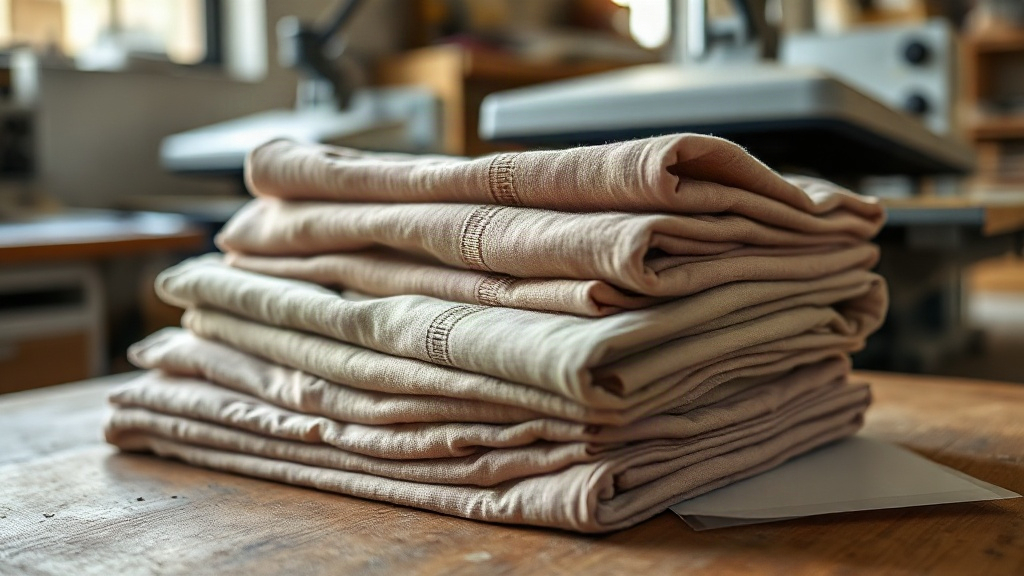
If you have spent any time sourcing blanks for heat transfer work, you have probably noticed shaka wear popping up in the same conversations as the old standby brands. The reason is not marketing. It is the fabric weight. Shaka Wear built its reputation on heavy, dense cotton tees, and that density is exactly what makes them behave well under a heat press. A thin, airy blank fights you on every stage of the DTF process: it moves under the platen, it scorches faster, and it lets the ink film sit on top of the weave instead of locking into it. A heavyweight blank does the opposite. It gives you a stable surface, it takes pressure evenly, and the finished print feels like part of the garment rather than a sticker glued to it.
This guide is written from the shop floor, not from a spec sheet. It covers what Shaka Wear actually is, which weights and styles make sense for DTF transfer work, how the cotton behaves before and after washing, and the press settings that consistently produce good results. If you are deciding whether to standardize on these blanks or just curious about the hype, the details below should settle it.
What Shaka Wear Actually Is
Shaka Wear is a Los Angeles based apparel label that grew out of streetwear culture and built its catalog around heavyweight basics. The core product is the oversized heavyweight tee, usually in the 6 to 7 ounce range, cut with a boxy body, dropped shoulders on some styles, and a ribbed collar that holds its shape. Alongside the tees, the brand offers hoodies, sweatshirts, and long sleeves in comparable weights.
The important thing for a printer is not the brand story. It is that these garments are made from dense, tightly knit cotton with a substantial hand feel. When you pick one up, it has weight. When you stretch the fabric across your knuckles, it does not go translucent. That opacity matters enormously for white ink, because a transfer that looks solid on a thick blank can look gray and washed out on a thin one.
Fabric Composition and Weight Ranges
Most Shaka Wear tees are 100 percent cotton, with a handful of blends in the lineup. The heavyweight tees tend to land in the 6.5 to 7 ounce per square yard range, which puts them firmly in the premium blank category. Hoodies and fleece run heavier still, often 10 ounces and up.
Heavier does not automatically mean better for every job. A 7 ounce tee is a fantastic canvas for a large front or back print, but it can feel stiff for a lightweight summer design. Match the blank to the artwork. Bold graphics, oversized prints, and full back panels love the heavy stuff. Delicate line art and small chest logos can work fine on a midweight option and save you money.
Why DTF Printers Gravitate Toward Heavyweight Blanks
DTF transfers are a film based process. You print onto a PET film, powder it with hot melt adhesive, cure it, then press it onto the garment under heat and pressure. Every step depends on the garment cooperating.
- Stable pressing surface: A dense knit does not compress unevenly, so the adhesive bonds consistently across the whole design.
- Better ink opacity: Thick cotton hides the white underbase, so colors read true instead of picking up the fabric tone underneath.
- Less scorching risk: Heavy fabric absorbs heat more gradually, giving you a wider window before you burn or shine the surface.
- Cleaner edges: The film releases more predictably, which means fewer lifted corners and less re-pressing.
There is a tradeoff. Heavy blanks take slightly longer to heat through, and they hold moisture from steam longer after pressing. Adjust your dwell time and let the garment cool flat before you fold or bag it. Rushing that step is the most common cause of a print that looks perfect in the shop and wrinkled in the customer's hands.
How Shaka Wear Handles Shrinkage
Cotton shrinks. That is not a defect, it is physics. The question is how much and how predictably. Heavyweight ringspun cotton like the kind used in most Shaka Wear tees tends to shrink in the 3 to 5 percent range after a hot wash and dry, mostly in length. Width shrinkage is usually smaller because the knit is tighter.
For a printer, this has a practical consequence. If you are pressing a design that sits close to a seam, a collar, or the bottom hem, pre-shrink the blank first. One wash and dry cycle before printing solves most of the problem. It costs you a little time, but it prevents the far more expensive situation of a customer returning a shirt because the print now sits two inches higher than it did on delivery day.
Choosing the Right Shaka Wear Style for Your Project
The catalog is broad enough that picking the wrong style is easy. Here is a simple way to think about it.
For Large Front and Back Prints
Go heavyweight. The 7 ounce oversized tee gives you a broad, flat canvas with plenty of room for a full back panel. The boxy cut also means the print does not distort when the shirt is worn, because the fabric is not stretching tight across the body.
For Retail and Uniform Work
Midweight tees in the 5.5 to 6 ounce range hit a sweet spot. They press well, they drape nicely, and they cost less per unit, which matters when you are producing fifty or a hundred pieces for a team or event. Check the collar construction before you commit. A double needle ribbed collar holds up far better through repeated wear and washing than a simple bound neck.
For Hoodies and Fleece
Fleece is a different animal. The brushed interior can interfere with adhesive bonding if you press directly over a seam or a thick pocket edge. Use a pressing pillow or a smaller platen to get even pressure into those areas, and add a few seconds to your dwell time. A print that looks bonded on flat fleece can peel at the pocket seam if you treat the whole garment the same way.
Press Settings That Work on Heavy Cotton
Exact numbers vary by press, film, and powder, so treat these as starting points and dial in from there.
- Pre-press the garment for 3 to 5 seconds to remove moisture and relax the fibers. This single step improves adhesion more than almost anything else.
- Press at 300 to 320 degrees Fahrenheit for 12 to 15 seconds with medium to firm pressure. Heavy cotton needs the upper end of that range.
- Peel cool or warm depending on your film type. Most modern DTF films are designed for a warm peel, which reduces the risk of stretching the print.
- Post-press for 5 to 10 seconds with a cover sheet to smooth the texture and fully set the adhesive.
One habit worth building: keep a scrap of the same fabric next to your press and test every new film or powder batch on it before you run a real order. Film suppliers change formulations, and a setting that worked last month can fail this month.
Wash Durability: What to Tell Your Customers
A properly applied DTF transfer on heavyweight cotton should survive dozens of wash cycles without cracking or peeling. The failure points are almost always heat related, not chemistry related. Under-cured adhesive lifts. Over-pressed prints crack along the edges. Warn your customers away from fabric softener and high heat drying, and the print will outlast the shirt.
If you want to verify durability before shipping a big order, run one finished piece through five wash and dry cycles and inspect it. It takes a day and it tells you more than any lab spec sheet.
Frequently Asked Questions
Is Shaka Wear good for DTF printing?
Yes, particularly the heavyweight tees. The dense cotton holds transfers well, hides white underbase, and gives you a stable surface for consistent pressure. Midweight styles also work fine for smaller prints.
How much does Shaka Wear shrink after washing?
Expect roughly 3 to 5 percent shrinkage, mostly in length, after a hot wash and dry. Pre-washing the blank before pressing eliminates most of the surprise.
What temperature should I press DTF transfers on Shaka Wear tees?
Start at 300 to 320 degrees Fahrenheit for 12 to 15 seconds with medium to firm pressure, then post-press for 5 to 10 seconds. Adjust based on your specific film and powder.
Should I pre-shrink Shaka Wear blanks before printing?
If your design sits near a seam, collar, or hem, yes. One wash and dry cycle before pressing keeps the print positioned where you intended after the customer washes it.
Do Shaka Wear hoodies work with DTF transfers?
They do, but fleece needs more care. Use a pressing pillow or smaller platen over pocket seams, increase dwell time slightly, and always post-press with a cover sheet for an even finish.