
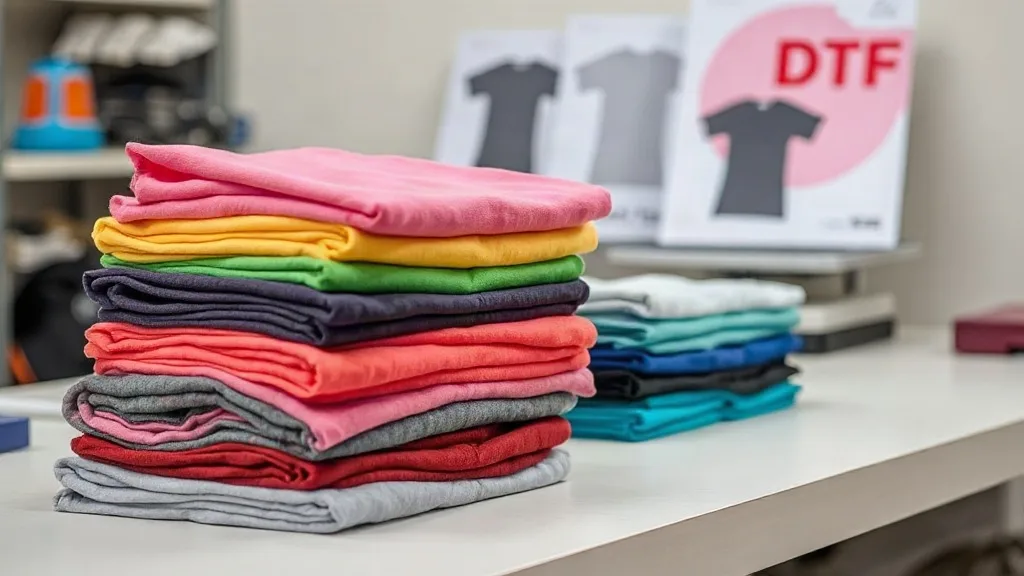
When you're standing in front of a heat press with a stack of DTF transfers and a pile of blank tees, the last thing you want is a surprise. Fabric weight and drape might not be the first things you think about when choosing blanks, but they play a huge role in how your prints look, feel, and hold up. Shaka Wear has become a go-to for many print shops, and in this guide, we'll dig into why their fabric characteristics matter for DTF printing and how to pick the right blank for your next job.
Why Fabric Weight and Drape Matter for DTF Printing
DTF printing involves transferring a design onto fabric using heat and pressure. The fabric's weight (measured in ounces per square yard or GSM) and drape (how it hangs and moves) affect everything from ink adhesion to the final look of the garment. A heavier fabric might require more heat or pressure to achieve proper adhesion, while a lighter, drapier fabric might need gentler settings to avoid scorching or uneven transfer.
Beyond the printing process, weight and drape influence how the final product feels to the wearer. A stiff, heavy tee might not appeal to someone looking for a soft, flowing fit, while a lightweight, drapey fabric might not provide the structure needed for certain designs. Understanding these nuances helps you match the blank to the project and your customer's expectations.
Shaka Wear's Fabric Range: What to Expect
Shaka Wear offers a variety of blanks, each with its own weight and drape characteristics. Their classic tees tend to be on the heavier side, often around 5.5 to 6 ounces, providing a substantial feel that works well for streetwear and retail-style garments. These heavier fabrics can handle bold, large DTF prints without stretching or distorting, and they tend to hold their shape wash after wash.
On the other hand, some Shaka Wear styles are lighter, with a softer hand and more fluid drape. These are ideal for fashion-forward pieces where a relaxed, comfortable fit is key. The lighter weight also means you'll need to adjust your DTF printing parameters to avoid over-pressing, which can cause the print to look shiny or feel stiff.
It's also worth noting that Shaka Wear blanks come in a range of blends, including 100% cotton and cotton/polyester mixes. Each blend interacts differently with DTF transfers, so always test before committing to a large run.
How to Choose the Right Shaka Wear Blank for Your DTF Project
Selecting the right blank isn't just about weight and drape; it's about matching the fabric to the design, the intended use, and your production capabilities. Here are some practical tips to guide your decision.
Consider the Design Complexity and Size
Large, detailed DTF prints with fine lines and gradients require a fabric that can hold the ink without excessive dot gain or bleeding. Heavier, tighter-knit fabrics like Shaka Wear's classic tees provide a smooth surface that helps maintain print fidelity. For smaller, simpler designs, you have more flexibility and can opt for lighter fabrics.
Match the Fabric to the End Use
Is the garment for everyday wear, a fashion collection, or promotional giveaways? Heavier fabrics convey durability and premium quality, making them suitable for retail. Lighter fabrics offer comfort and breathability, which might be preferable for activewear or summer lines. Shaka Wear's range covers both ends of the spectrum, so you can align the blank with the product's purpose.
Test, Test, Test
Before you print a full order, always run a test print on the actual blank you plan to use. Fabric weight and drape affect how the transfer adheres, so what works on a 6-ounce tee might not work on a 4-ounce one. Pay attention to press temperature, pressure, and dwell time. A DTF Gangsheet Builder can help you optimize your layout and reduce waste during testing.
DTF Printing Tips for Shaka Wear Blanks
Once you've chosen your blank, here are some best practices to ensure a successful print.
- Pre-press the garment: This removes moisture and wrinkles, creating a smooth surface for the transfer. Use a pressing pillow for seams and collars.
- Adjust temperature and pressure: Heavier fabrics may need slightly higher temperature or pressure, but always stay within the transfer's recommended range. Lighter fabrics require lower settings to prevent scorching.
- Use a cover sheet: Protect the transfer and fabric with a Teflon sheet or parchment paper, especially on delicate or light-colored fabrics.
- Cool peel: Let the transfer cool completely before peeling for best adhesion and a matte finish.
- Wash test: After printing, wash a sample garment to check durability. Adjust your process if you notice cracking or fading.
For more detailed guidance on DTF printing with Shaka Wear blanks, refer to our previous articles on fabric blends and care.
Common Pitfalls and How to Avoid Them
Even experienced printers run into issues when switching blanks. Here are a few common problems and solutions.
- Print looks dull or washed out: This can happen if the fabric is too textured or if insufficient pressure is used. Try increasing pressure slightly or using a finer mesh transfer.
- Transfer peels or cracks after washing: Usually a sign of incomplete adhesion. Ensure proper temperature and pressure, and consider using a adhesive powder compatible with the fabric.
- Fabric scorching or shine: Often caused by too much heat or pressure on lighter fabrics. Lower the temperature and use a cover sheet.
Remember that Shaka Wear blanks are generally consistent, but always verify with a test print.
Frequently Asked Questions
What is the fabric weight of Shaka Wear's classic tees?
Shaka Wear's classic tees typically range from 5.5 to 6 ounces per square yard, giving them a substantial feel suitable for DTF printing and retail use.
Can I DTF print on Shaka Wear's lightweight blends?
Yes, but you'll need to adjust your press settings to lower temperature and pressure to avoid damaging the fabric. Always test first.
How does fabric drape affect DTF print durability?
Drape affects how the fabric moves and stretches. Fabrics with more drape may experience more flexing, so proper adhesion and a flexible transfer are key to preventing cracks.
Do I need a DTF Gangsheet Builder for Shaka Wear blanks?
While not mandatory, a DTF Gangsheet Builder can help you maximize efficiency and reduce waste when printing multiple designs, especially on consistent blanks like Shaka Wear.
What's the best way to care for DTF prints on Shaka Wear tees?
Wash inside out in cold water, tumble dry low, and avoid ironing directly on the print. This will help maintain print quality and fabric integrity.