
If you run a print shop, you've probably felt the sting of a rushed order or a ruined batch of dtf transfers due to poor storage. Ordering in bulk can save you money, but only if you know how to handle the logistics. This guide dives into the nitty-gritty of bulk ordering and storage, drawing from real-world experience to help you avoid common pitfalls and keep your production line humming.
Why Bulk Ordering Makes Sense (But Only If You Do It Right)
Buying dtf transfers in larger quantities often comes with per-unit discounts, but the savings can evaporate if you're stuck with a pile of unusable film. The key is to balance cost savings with your shop's actual throughput. Before you commit to a big order, consider your monthly volume, storage capacity, and the shelf life of the transfers.
Calculating Your Real Monthly Usage
Start by tracking your dtf transfers consumption for at least a month. Count every print you press, including samples and reprints. Don't guess. If you press 500 transfers in a typical month, ordering 5,000 might seem like a smart move, but only if you can store them properly and use them within their optimal window. Most suppliers recommend using transfers within 6 to 12 months, depending on storage conditions.
Negotiating with Suppliers
When you're ready to order in bulk, don't be afraid to ask for a sample of the batch before committing. Reputable suppliers like Harwin DTF offer consistent quality, but it's always wise to test a few prints from the lot you'll receive. Also, inquire about lead times and whether the supplier can accommodate split shipments. Sometimes, paying a little more for faster restocks is better than tying up cash in inventory that might degrade.
Storage Secrets: Keep Your Transfers Fresh
Improper storage is the silent killer of dtf transfers near me. Humidity, heat, and light can wreak havoc on the adhesive powder and ink. Here's how to store your transfers to maximize their shelf life.
Control the Environment
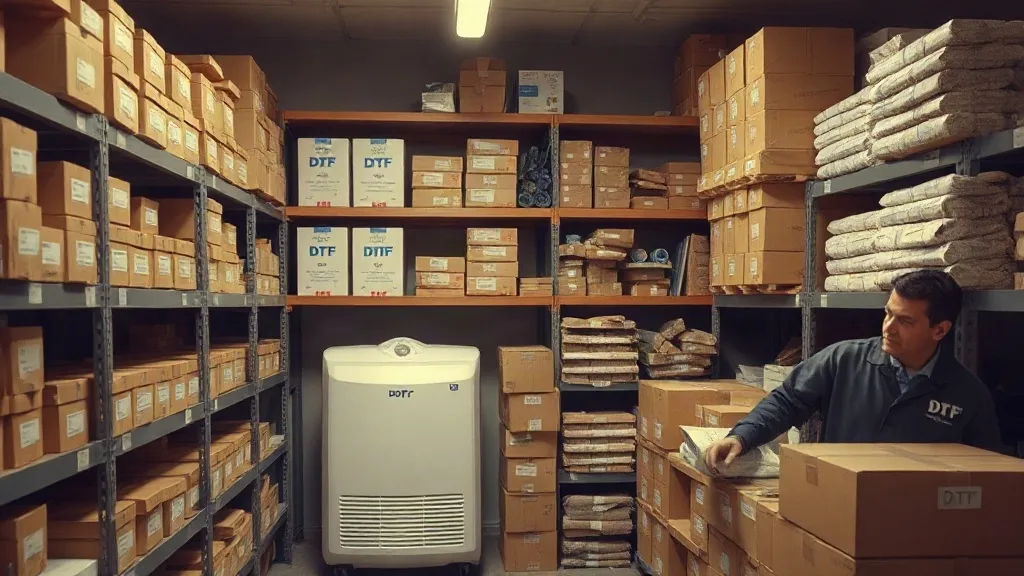
Ideally, store transfers in a cool, dry place with stable temperature and low humidity. A dedicated cabinet away from direct sunlight and heat sources works well. If your shop is prone to humidity, consider investing in a dehumidifier or using silica gel packets in storage bins. Avoid storing transfers in areas that experience temperature swings, like near a garage door or in an unconditioned attic.
Proper Packaging
Keep transfers in their original packaging until ready to use. If you need to repackage, use airtight bags or containers to protect them from moisture and dust. Stack them flat to prevent curling, which can make feeding them into the press difficult. For long-term storage, placing a sheet of parchment paper between transfers can prevent sticking, especially if they're stored under pressure.
Rotation and Labeling
Implement a first-in, first-out (FIFO) system. Label each batch with the date of receipt and use older stock first. This simple habit ensures you don't end up with a stash of expired transfers. Keep a log of your inventory, either on paper or in a spreadsheet, so you always know what you have on hand.
Avoiding Common Bulk Order Mistakes
Even seasoned shop owners can fall into traps when ordering in bulk. Here are a few mistakes to watch out for.
- Overordering on a single design: Trends change, and that funny meme might not sell as well as you think. Diversify your designs or order smaller batches of multiple designs.
- Ignoring storage constraints: Before you hit "order," make sure you have the space to store the transfers properly. A cluttered storage area leads to damaged goods.
- Not testing the batch: Always test a few transfers from a new batch before using them on customer orders. This can catch issues like inconsistent powder application or film defects early.
When to Reorder: Timing Is Everything
Running out of a popular design mid-job is a nightmare. Set a reorder point based on your lead times and usage. If your supplier takes two weeks to deliver, you need to reorder when you have at least two weeks' worth of stock left. Keep a buffer for unexpected spikes in demand. A simple rule: reorder when you hit 25% of your original bulk order quantity.
Frequently Asked Questions
How long can I store DTF transfers before they go bad?
Under ideal conditions (cool, dry, dark), DTF transfers can last up to 12 months. However, always check with your supplier for specific recommendations, as formulations vary. Signs of degradation include curled film, brittle powder, or poor adhesion during pressing.
Can I store DTF transfers in a refrigerator?
While a refrigerator provides a cool environment, it's not recommended because the humidity and condensation could damage the transfers. A climate-controlled room is better. If you must use a fridge, ensure transfers are in airtight containers and allow them to reach room temperature before opening to prevent condensation.
What's the best way to organize DTF transfers for quick access?
Use a filing system that suits your workflow. Many shops use vertical storage racks with dividers, sorted by design or order date. Label each section clearly. For smaller shops, a binder with plastic sleeves can work for sample-sized transfers. The goal is to minimize handling and searching time.
How do I calculate the right quantity for a bulk order?
Track your usage for at least two months to account for fluctuations. Factor in your storage capacity and the supplier's minimum order quantities. A good rule of thumb is to order a 2-3 month supply, but only if you can store it properly. Consider splitting orders between multiple designs to spread risk.
Do DTF transfers expire faster in high humidity?
Yes, humidity accelerates the degradation of the adhesive powder and can cause the film to curl. In humid climates, invest in dehumidification and airtight storage. Always keep transfers sealed until use, and avoid opening packages in humid conditions if possible.