
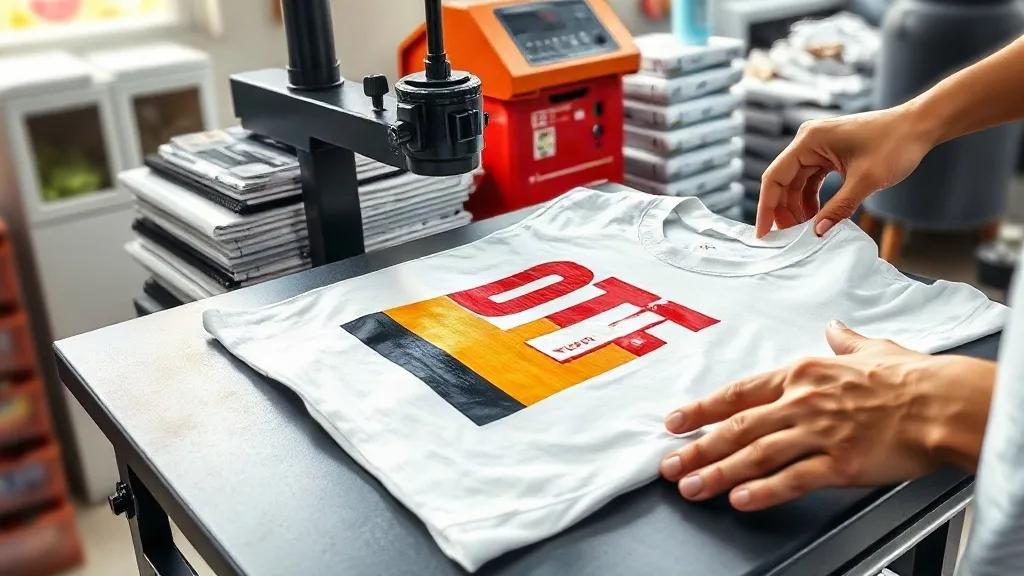
If you've been exploring custom apparel printing, you've likely encountered dtf transfers. This method has quickly become a favorite among crafters and small business owners for its versatility and ease of use. Unlike other printing techniques that require specific fabrics or expensive equipment, DTF (Direct to Film) transfers offer a straightforward way to add vibrant, detailed designs to almost any garment. In this guide, we'll walk you through the entire process, from understanding the basics to applying your first transfer like a pro.
What Are DTF Transfers?
DTF stands for Direct to Film. It's a printing technology where your design is printed onto a special film, then coated with a powder adhesive. Once the powder is cured, the transfer is ready to be applied to fabric using a heat press. The result is a durable, full-color print that adheres to the fabric fibers, creating a soft feel and excellent washability.
What sets dtf apart from other methods like screen printing or vinyl is its ability to handle complex, multi-color designs without the need for separate screens or layers. Whether you're printing a photograph with gradients or a simple logo, DTF captures every detail with precision. Plus, it works on a wide range of materials, including cotton, polyester, blends, and even some synthetics.
The DTF Transfer Process: Step by Step
Understanding the process helps you appreciate the magic behind DTF. Here's a breakdown of the key steps:
- Design Preparation: Start with a high-resolution image. Your design should be in a format like PNG or TIFF with a transparent background if needed. Remember that the design will be printed in reverse, so mirror it horizontally before printing.
- Printing: Using a DTF printer, the design is printed onto a special film. The printer lays down a layer of white ink first (for opacity), followed by the color inks. This ensures the colors pop on both light and dark fabrics.
- Powder Application: While the ink is still wet, a hot-melt adhesive powder is applied evenly over the printed area. The excess powder is shaken off, leaving a thin layer adhered to the ink.
- Curing: The film with the powder is then heated to melt the powder, creating a smooth, dry adhesive layer. This step is crucial for the transfer's durability.
Once cured, the transfer is ready to be stored or applied. Many professionals prepare transfers in advance, which is why you'll often see dtf transfers near me searches when people look for local suppliers or services.
Applying Your DTF Transfer
Applying a DTF transfer is straightforward with a heat press. Here's how to do it correctly to ensure a long-lasting result:
- Preheat the Fabric: Set your heat press to the recommended temperature (usually around 300°F to 325°F). Preheat the garment for a few seconds to remove moisture and wrinkles.
- Position the Transfer: Place the transfer on the fabric with the design facing up. The film should be on top.
- Press: Apply medium to firm pressure for 10-15 seconds. Use a Teflon sheet or parchment paper to protect the transfer.
- Peel: Wait a few seconds for the transfer to cool slightly, then peel the film off in a smooth, steady motion. For a matte finish, peel while hot; for a glossy finish, peel when cold.
- Post-Press: Cover the design with parchment paper and press again for 5 seconds to ensure the adhesive fully bonds with the fabric.
And that's it! Your custom garment is ready to wear.
Why Choose DTF Transfers?
There are several reasons why DTF has gained such a strong following:
- Versatility: Works on almost any fabric, including cotton, polyester, blends, and even leather.
- Color Vibrancy: The white ink base allows for bright, opaque colors on dark materials.
- Detail: Perfect for intricate designs with fine lines, gradients, and photographs.
- Durability: When applied correctly, DTF prints withstand repeated washing without cracking or fading.
- No Weeding: Unlike vinyl, there's no tedious weeding process, saving you time and frustration.
For small businesses and hobbyists, DTF offers a low barrier to entry compared to other printing methods. You can order transfers from a supplier or invest in a printer and produce them in-house.
Common Mistakes to Avoid
Even though DTF is user-friendly, some pitfalls can affect the quality of your transfer. Here are a few to watch out for:
- Insufficient Pressure: Too little pressure means the transfer won't adhere properly, leading to peeling. Make sure your press is calibrated.
- Wrong Temperature: Too hot and you might scorch the fabric or melt the film; too cold and the adhesive won't activate. Always follow the supplier's recommendations.
- Peeling Too Early or Too Late: Peeling at the wrong temperature can cause the design to lift or the adhesive to remain on the film. Practice on a scrap piece first.
- Ignoring Fabric Type: Some fabrics, like nylon or certain synthetics, may require lower temperatures or special handling. Always test.
By avoiding these mistakes, you'll achieve professional-looking results every time.
Where to Find DTF Transfers
If you're not ready to invest in a DTF printer, you can easily order custom transfers from online suppliers. When searching for dtf transfers near me, consider local print shops that offer DTF services, or turn to reputable online stores that ship nationwide. Many suppliers provide a quick turnaround and can handle small or large orders. For those in the US, HarwinDTF offers a wide range of DTF transfers and supplies. You can explore their collection at dtf transfers to get started.
DTF vs. Other Printing Methods
How does DTF stack up against traditional methods? Here's a quick comparison:
- Screen Printing: Better for large orders of simple designs, but setup costs are high and it's not cost-effective for small runs.
- Vinyl (HTV): Great for simple shapes and text, but not suitable for complex, multi-color designs.
- Direct-to-Garment (DTG): Similar to DTF but requires pre-treatment and is mostly limited to cotton. DTF is more versatile.
DTF hits a sweet spot: it's affordable for short runs, handles complex designs, and works on a variety of fabrics.
Frequently Asked Questions
How long do DTF transfers last?
With proper application and care, DTF transfers can last as long as the garment itself. Wash inside out in cold water and avoid harsh chemicals to prolong the life of the print.
Can I use DTF transfers on 100% polyester?
Yes, DTF works well on polyester, but you may need to adjust the temperature and pressure to avoid scorching. Always test on a small area first.
Do I need a special printer for DTF?
Yes, DTF requires a dedicated DTF printer that uses DTF inks and film. However, you can also purchase pre-printed transfers from suppliers if you don't want to invest in a printer.
What is the best way to store DTF transfers?
Store them in a cool, dry place away from direct sunlight. Keep them flat to avoid creasing. Properly stored transfers can last for several months.
Can I stretch a DTF print?
DTF prints have some stretchability, but they may crack if stretched excessively. For stretchy fabrics, consider using a stretch additive or choosing a design that doesn't require extreme stretching.
DTF transfers have revolutionized the custom apparel industry by making high-quality, full-color printing accessible to everyone. Whether you're a hobbyist or a business owner, mastering DTF can open up a world of creative possibilities. So gather your supplies, fire up your heat press, and start creating!