
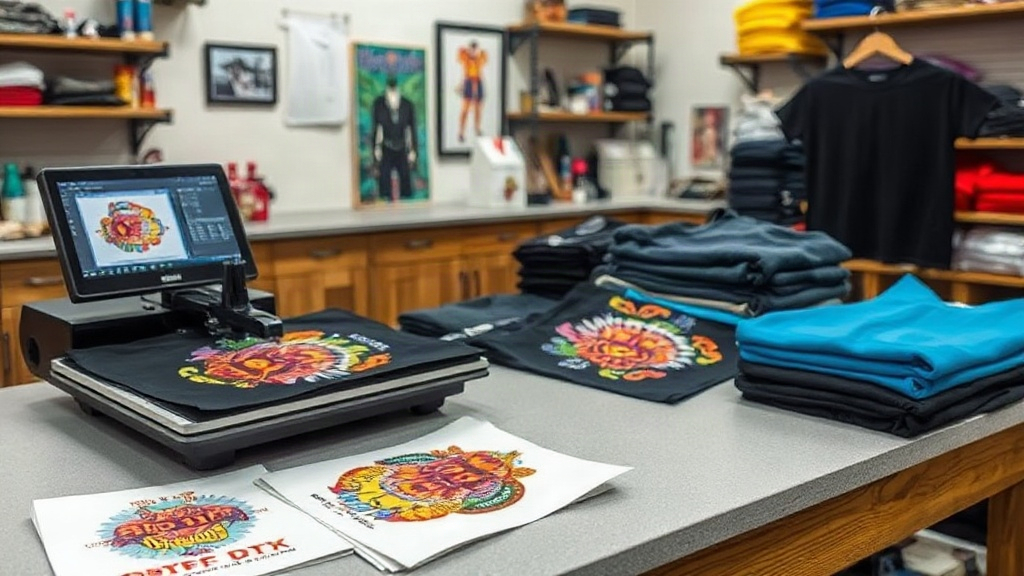
If you're in the custom apparel business or just love creating your own shirts, you've probably searched for "dtf" or "dtf transfers near me" at some point. The convenience of a local shop is undeniable: faster turnaround, no shipping costs, and the ability to see samples in person. But with so many options popping up, how do you choose the right one? This guide will walk you through everything you need to consider when searching for dtf transfers locally, from evaluating quality to asking the right questions.
Why Go Local for Your DTF Transfers?
When you order from a local provider, you're not just saving on shipping time. You're also building a relationship with someone who understands your community and your specific needs. Local shops often offer more personalized service, and you can literally walk in and discuss your project face-to-face. Plus, if something goes wrong or you need a rush order, having a nearby contact is incredibly valuable.
Many small businesses and hobbyists find that working with a local printer reduces the stress of coordinating long-distance logistics. You can check the quality of the dtf transfers in person before committing to a large order, and you might even get tips on how to improve your designs for better results.
What to Look for in a DTF Transfer Provider
Not all dtf transfers are created equal. The quality of the print depends on several factors, including the type of film, the inks used, and the expertise of the operator. Here's what to evaluate when you're searching for "dtf transfers near me" on Google or social media.
1. Print Quality and Resolution
The first thing you should check is the clarity and color vibrancy of the prints. Ask to see samples of their work, especially on dark and light fabrics. A high-quality dtf transfer should have sharp details, no color banding, and vibrant colors that pop. If the edges look fuzzy or the colors appear washed out, that's a red flag.
2. Film and Ink Quality
The substrate (film) and the inks used play a huge role in the final result. Premium films have better adhesion and stretchability, which is crucial for apparel that will be worn and washed frequently. Inks should be vibrant and have good opacity, especially for white underbase prints on dark garments. Don't be afraid to ask what brands of film and ink they use.
3. Turnaround Time
One of the main benefits of choosing a local provider is speed. But not all local shops are fast. Ask about their typical turnaround time for different order sizes. A good provider should be able to give you a clear estimate, and they should stick to it. If you're planning a big event or a product launch, timely delivery is non-negotiable.
4. Pricing Structure
Pricing can vary significantly from one shop to another. Some charge per square foot of film, others per print, and some have setup fees. Make sure you understand exactly what you're paying for. Compare quotes from a few different local providers to get a sense of the market rate. But remember, the cheapest option isn't always the best. Quality and reliability should be your top priorities.
Questions to Ask Before You Order
Once you've narrowed down your list of potential providers, it's time to ask some pointed questions. This will help you avoid misunderstandings and ensure you get the best possible product.
- Do you provide proofs before printing? A good provider will send you a digital proof for approval. This is your chance to catch any mistakes in colors or layout.
- What is your minimum order quantity? Some shops have a minimum, which might be too high if you're just starting out or need a small batch.
- Can you handle complex designs? If your design has fine details or gradients, make sure the provider has the equipment and expertise to reproduce it accurately.
- What is your return or replacement policy? Even with the best quality control, mistakes happen. Know what your options are if a transfer doesn't meet your expectations.
The Benefits of Using DTF Transfers for Your Business
If you're new to DTF, you might be wondering why so many people are making the switch from traditional screen printing or vinyl. DTF transfers offer several advantages:
- Low startup cost: You don't need to invest in expensive equipment if you order transfers from a provider. You only need a heat press and a printer.
- No minimums: Unlike screen printing, which often requires large orders, you can order just one or two dtf transfers at a time.
- Vibrant colors on any fabric: DTF works well on cotton, polyester, blends, and even nylon. The white underbase makes colors pop on dark garments.
- Durability: When applied correctly, DTF prints can last as long as the garment itself, withstanding many washes without cracking or fading.
How to Apply DTF Transfers Like a Pro
Even the best dtf transfers can look bad if they're not applied correctly. Here's a quick guide to ensure a professional result:
- Pre-press the garment: This removes moisture and wrinkles, allowing the transfer to adhere better.
- Position the transfer: Place the transfer on the garment with the film side up. Use heat-resistant tape to hold it in place.
- Press with the right temperature and time: Most DTF transfers require around 320°F (160°C) for 10-15 seconds with medium to firm pressure. Follow the provider's instructions.
- Peel warm or cold? Some transfers require hot peeling, others cold. Check the instructions. Generally, warm peeling gives a smoother finish, but cold peeling is safer for intricate designs.
- Post-press: Some providers recommend a quick post-press with a Teflon sheet to ensure full adhesion.
Common Mistakes to Avoid When Buying DTF Transfers
When you're on the hunt for "dtf transfers near me," it's easy to get swayed by low prices or flashy promises. But being aware of common pitfalls can save you time and money.
1. Ignoring the Fine Print in Pricing
Some providers quote a low price per transfer but then add hidden fees for color separations, white underbase, or rush orders. Always ask for a full quote in writing.
2. Not Checking the Provider's Reputation
Before you commit, look up reviews on Google, Yelp, or social media. A handful of negative reviews might not be a dealbreaker, but a pattern of complaints about quality or customer service is a clear warning sign.
3. Overlooking the Importance of White Ink
White ink is the backbone of DTF printing, especially for dark garments. If the white underbase is too thin, colors will look dull. Ask the provider about their white ink coverage.
4. Choosing Speed Over Quality
If a shop promises 24-hour turnaround, they might be rushing your order, which can lead to errors. For important projects, give yourself extra time and choose a provider that balances speed with meticulousness.
Making the Most of Your Local DTF Transfer Search
To find the best provider, you need to be proactive. Here are some strategies to help you locate and vet local shops effectively.
1. Use Specific Search Terms
Instead of just typing "dtf transfers near me," try more specific queries like "DTF transfer printing in [your city]" or "custom DTF transfers for t-shirts near me." This will often surface smaller, independent shops that might not appear in the top results for generic searches.
2. Check Social Media
Instagram and Facebook are goldmines for finding local printers. Search for hashtags like #DTFtransfers or #DTFprinting along with your city name. You can see their recent work and even read comments from other customers.
3. Visit Local Trade Shows or Craft Fairs
If you're in the apparel business, attending trade shows or even local craft fairs can help you meet printers face-to-face. You can see their products in action and have real conversations about their processes.
4. Ask for Referrals
Talk to other small business owners in your area. If someone's shirt design looks great, ask them where they got it printed. Personal recommendations are often the most reliable.
Questions to Ask Yourself Before Choosing a Provider
Before you make a final decision, take a step back and evaluate your own needs. This will help you choose a provider that aligns with your goals.
- What is my budget? If you're just starting out, you might need low minimums and affordable per-unit costs.
- How often will I order? If you plan to order regularly, you might benefit from a provider that offers discounts for repeat customers.
- What kind of garments am I printing on? If you work with a variety of fabrics, make sure the provider's transfers are compatible.
- How important is customer service? If you prefer a hands-on approach, look for a shop that offers design assistance and responsive communication.
Conclusion
Finding the right dtf transfers provider near you doesn't have to be a daunting task. By knowing what to look for, asking the right questions, and avoiding common pitfalls, you can secure a partner that will help you produce stunning, durable prints for your business or personal projects. Remember to prioritize quality and reliability over the lowest price. A good local provider is worth their weight in gold, because they not only provide excellent dtf transfers but also become a valuable resource for your creative endeavors. So go ahead, do your research, and find the perfect local shop to bring your designs to life.
Frequently Asked Questions
What is the difference between DTF and screen printing?
Screen printing involves pushing ink through a mesh screen directly onto the fabric. It's great for large orders with few colors because the setup cost is high but the per-unit cost is low. DTF transfers are printed onto a special film and then heat-pressed onto the garment. This method is more flexible for small orders, offers full-color printing with no extra cost per color, and works on a wider variety of fabrics.
Can I use DTF transfers on any fabric?
Yes, DTF transfers are highly versatile. They work on cotton, polyester, blends, nylon, and even leather with the right adhesive. However, the quality of the adhesion can vary depending on the fabric's texture. For example, very stretchy fabrics might require a more flexible adhesive. Always test on a sample piece before committing to a large order.
How long do DTF transfers last?
When applied correctly and cared for properly, DTF prints can last as long as the garment itself. They are resistant to cracking, peeling, and fading, even after multiple washes. To extend the life of the print, wash the garment inside out in cold water and avoid using harsh detergents or bleach. Tumble drying on low heat is recommended.
What is the minimum order for DTF transfers?
One of the great advantages of DTF is that there is often no minimum order. Many local providers will print a single transfer, making it ideal for test runs, personal projects, or small batches. However, some shops may impose a minimum to cover setup costs, so it's always best to ask upfront.
How do I get the best price on DTF transfers?
To get the best price, compare quotes from multiple local providers and ask about volume discounts. Also, optimize your designs to reduce the amount of film used. For example, grouping multiple designs on a single sheet can lower the cost per transfer. Finally, consider ordering during off-peak times if the shop offers seasonal discounts.