
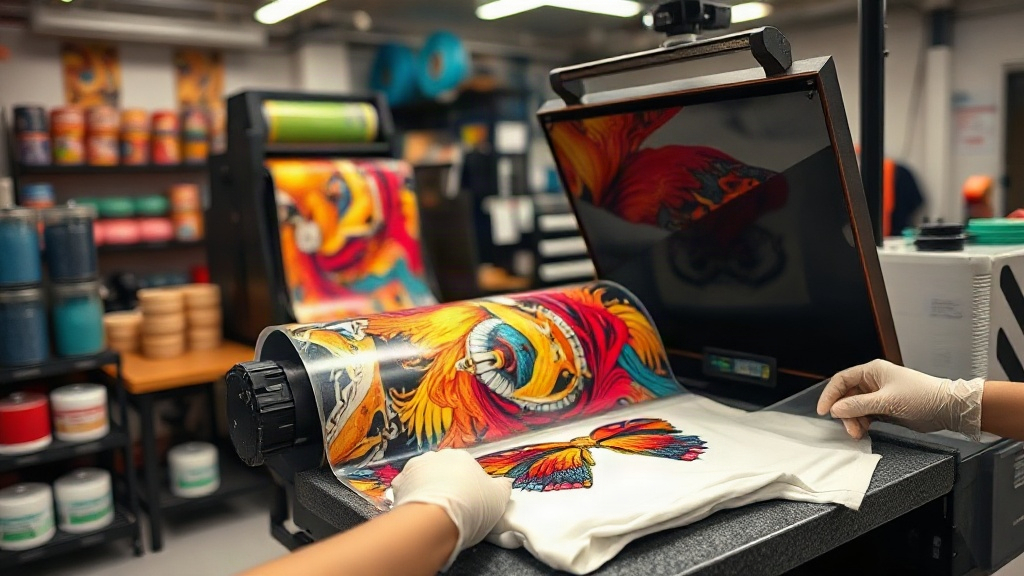
If you've been in the custom apparel game for any length of time, you've likely heard the buzz around DTF Transfers. This technology has quickly become a favorite among print shops, hobbyists, and fashion brands alike. But what exactly makes DTF transfers so special? In this guide, we'll dive deep into the world of DTF transfers, covering everything from the basics to advanced techniques, so you can decide if this method is right for your next project.
What Are DTF Transfers?
DTF stands for Direct to Film. Unlike traditional methods that print directly onto the garment, DTF transfers involve printing your design onto a special film, coating it with adhesive powder, and then heat-pressing it onto the fabric. The result is a vibrant, durable print that can adhere to a wide range of materials, including cotton, polyester, blends, and even some nylons. This versatility is one of the main reasons DTF transfers have exploded in popularity.
The DTF Transfer Process Step by Step
Understanding the process helps you appreciate the magic behind DTF transfers. Here's how it works:
- Design Preparation: Your artwork is prepared digitally, ensuring it's mirrored and properly sized.
- Printing: A specialized DTF printer lays down CMYK colors plus white ink onto a PET film. The white ink acts as a base, allowing the colors to pop on any fabric color.
- Powder Application: While the ink is still wet, a hot-melt adhesive powder is sprinkled over the film. Excess powder is shaken off.
- Curing: The film passes through a curing oven or heat press to melt the powder, creating a dry, tacky surface.
- Transfer: The film is placed on the garment and heat-pressed. The adhesive bonds with the fabric, and after cooling, the film is peeled away, leaving the design behind.
Each step is critical. For instance, under-curing the powder can lead to poor adhesion, while over-pressing can cause the design to spread or lose detail. That's why many professionals invest in quality equipment and follow precise settings.
Why Choose DTF Transfers Over Other Methods?
With so many printing options available, you might wonder what sets DTF apart. Here are some compelling advantages:
- Fabric Versatility: Works on cotton, polyester, blends, leather, and more. No need for separate inks or pretreatments.
- No Weeding or Cutting: Unlike vinyl, DTF transfers don't require tedious weeding. The design is printed and ready to press.
- Vibrant Colors: DTF printers can produce full-color images with gradients and fine details that rival screen printing.
- Durability: When applied correctly, DTF transfers withstand dozens of washes without fading or cracking.
- Cost-Effective for Small Runs: No setup fees or minimums, making it ideal for one-offs or small batches.
Of course, like any method, DTF has its nuances. It requires a reliable printer, quality film, and adhesive powder. But once you dial in your process, the results speak for themselves.
DTF vs. DTG vs. Screen Printing
How does DTF stack up against other popular techniques? Let's compare:
- DTG (Direct to Garment): Best for 100% cotton, DTG prints directly onto the fabric. It's great for detailed images but can be slow and requires pretreatment. DTF, on the other hand, works on more fabrics and often has lower startup costs.
- Screen Printing: Ideal for large orders with few colors. It's cost-effective at scale but has setup costs and isn't practical for complex, multi-color designs. DTF excels at full-color, small-batch work.
- Vinyl: Vinyl is durable but limited to simple shapes and requires weeding. DTF allows for intricate designs without the hassle.
Ultimately, the best method depends on your specific needs. But DTF transfers offer a sweet spot of versatility, quality, and efficiency that's hard to beat.
Getting Started with DTF Transfers: Essential Tips
Ready to dive into DTF? Here are some expert tips to help you succeed:
1. Choose the Right Equipment
Not all DTF printers are created equal. Look for a printer with a reliable printhead (such as Epson), a white ink circulation system, and the ability to produce high resolution. Brands like Vivid, Prestige, and UniNet are popular in the DTF community. Also, invest in a quality heat press that maintains consistent temperature and pressure.
2. Master the Powder and Curing
The adhesive powder is the unsung hero of DTF transfers. Use a fine-grain powder (typically 80-200 microns) and ensure even application. Curing should be done at around 160-170°C for 2-3 minutes, but always check your powder's specs. A curing oven is more consistent than a heat press for this step, but many get by with a heat press.
3. Perfect Your Press Settings
When pressing the transfer onto the garment, temperature, pressure, and time are crucial. A common starting point is 150-160°C for 15-20 seconds with medium pressure. Always peel after the film has cooled completely (cold peel) for best results. Test on scrap fabric first.
4. Storage and Handling
Store unused DTF transfers in a cool, dry place away from direct sunlight. They can last for months if kept properly. When handling, avoid touching the printed area to prevent oils from your skin affecting adhesion.
Common DTF Transfer Problems and How to Fix Them
Even seasoned pros run into issues. Here are a few common problems and their solutions:
- Design peels off after washing: Usually due to under-curing or insufficient pressure. Increase curing time or pressure.
- Colors look dull: Might be caused by too little white ink or over-pressing. Check your white ink density and reduce temperature.
- Film won't peel cleanly: Often happens if the transfer is peeled too hot. Let it cool completely.
- Adhesive residue on garment: Excess powder or uneven curing. Ensure you shake off excess powder thoroughly and cure evenly.
With a bit of troubleshooting, you can achieve flawless DTF transfers every time.
Frequently Asked Questions About DTF Transfers
How long do DTF transfers last?
When applied correctly, DTF transfers can last 50+ washes without significant fading or cracking. Proper washing (inside out, cold water, no bleach) extends their life.
Can I use DTF transfers on dark shirts?
Absolutely! DTF transfers include a white ink base that makes colors pop on dark fabrics. This is one of their biggest advantages over DTG.
Do I need a special printer for DTF?
Yes, you need a DTF printer that uses DTF inks and can print white ink. Converting a regular printer is not recommended. However, you can also buy pre-printed DTF transfers from suppliers.
What fabrics work best with DTF transfers?
DTF works on cotton, polyester, cotton-poly blends, leather, denim, and more. It's not ideal for fabrics with heavy coatings or waterproof treatments.
Is DTF transfers cost-effective for small businesses?
Yes, especially for small batches and complex designs. There are no minimums or setup fees, and the cost per transfer is reasonable. It's a great option for startups and custom shops.
DTF transfers have truly transformed the custom apparel industry, offering unparalleled versatility and quality. Whether you're a hobbyist or a commercial printer, mastering DTF can open up new creative and business opportunities. With the right knowledge and tools, you'll be producing stunning, durable prints in no time.