
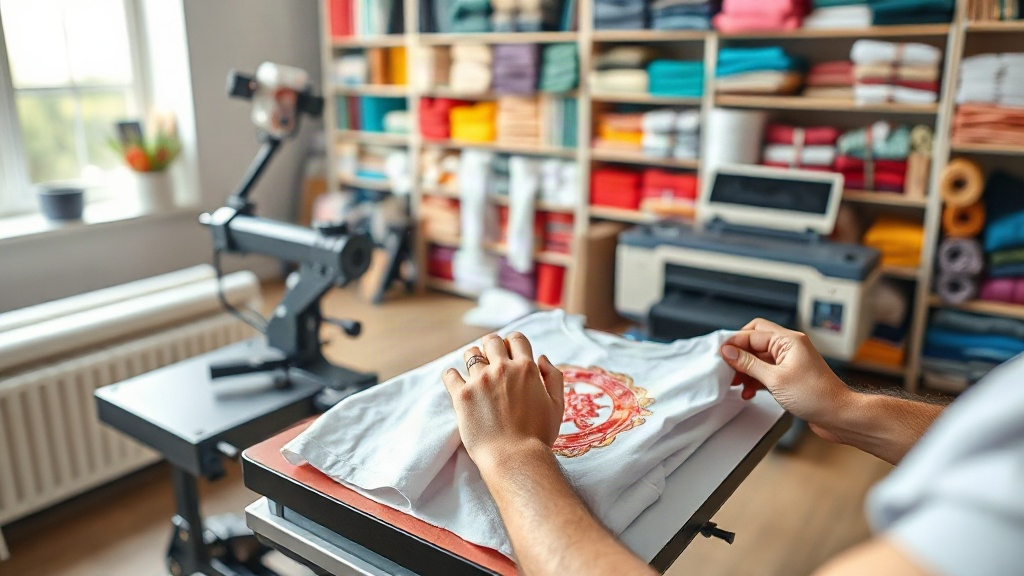
When you first hear about DTF Transfers, you might wonder if they are just another fleeting trend in the custom apparel world. But after trying them myself, I can tell you they are a game-changer. Unlike traditional methods that require weeding or expensive equipment, DTF transfers offer a straightforward way to produce vibrant, durable designs on a wide range of fabrics. In this guide, I will share everything you need to know to get started, from the basics to pro tips I have picked up along the way.
What Are DTF Transfers?
DTF stands for Direct to Film. It is a printing technology where your design is printed onto a special film, coated with a powder adhesive, and then heat-pressed onto the fabric. The result is a soft, stretchable print that holds up wash after wash. I remember my first DTF transfer; I was skeptical about the durability, but after dozens of washes, the colors were still as bright as day one.
How DTF Transfers Differ from Other Methods
Compared to vinyl cutting or screen printing, DTF transfers require less manual labor. There is no weeding involved, and you can print full-color images with gradients and fine details without worrying about color separation. Plus, DTF works on cotton, polyester, blends, and even nylon, which makes it incredibly versatile.
The DTF Transfer Process Step by Step
Getting started with DTF transfers is easier than you might think. Here is a breakdown of the process, based on my own experience and advice from seasoned professionals.
1. Design Preparation
Start with a high-resolution image. I recommend at least 300 DPI to ensure crisp details. If your design has white areas, DTF printing automatically adds a white base layer, so you do not need to worry about printing on dark garments.
2. Printing
You will need a DTF printer and DTF film. The printer lays down the design in CMYK plus white ink. After printing, the film is dusted with a hot-melt adhesive powder. This powder is what makes the transfer stick to the fabric.
3. Curing
The printed film with powder goes into a curing oven or under a heat press for a short time. This melts the powder and creates a smooth, dry surface. Timing is crucial here; too little and the powder will not adhere, too much and the film can warp.
4. Heat Pressing
Once cured, the transfer is placed on the garment and pressed with a heat press. Typical settings are 320°F for 15 seconds with medium pressure. After pressing, you peel the film off while it is still warm (or cold, depending on the film type). I always do a quick peel test on a scrap fabric first.
Why Choose DTF Transfers for Your Business or Hobby?
If you are running a small apparel business or just love making custom shirts for friends and family, DTF transfers offer several advantages that I have personally benefited from.
- No minimum order: You can print one-off designs without waste.
- Vibrant colors: The white ink base makes colors pop on any fabric color.
- Durability: Prints withstand repeated washing without cracking or fading.
- Versatility: Works on cotton, polyester, blends, and more.
- Soft feel: Unlike some vinyl transfers, DTF prints have a soft hand feel.
I have used DTF transfers for everything from team jerseys to personalized tote bags, and the results have always impressed.
Common Challenges and How to Overcome Them
Like any craft, DTF transfers have a learning curve. Here are some issues I encountered and how I solved them.
Adhesion Problems
If the transfer peels off after washing, it is usually due to insufficient pressure or incorrect temperature. Invest in a good heat press with consistent pressure, and always follow the film manufacturer's recommendations.
Color Fading
Fading can happen if the transfer is over-cured or if you use low-quality inks. Stick with reputable suppliers and avoid overheating during curing.
Film Sticking to Itself
This often happens if the powder is not fully melted. Make sure your curing oven is at the right temperature and the film is completely dry before stacking.
Tips for Perfect DTF Transfers Every Time
After countless trials, I have compiled a list of tips that will save you time and frustration.
- Test your settings: Every heat press is different. Run a small test before a big order.
- Use quality materials: Cheap film and powder can lead to poor results.
- Store transfers properly: Keep them in a cool, dry place away from direct sunlight.
- Pre-press garments: This removes moisture and wrinkles for better adhesion.
- Peel correctly: Follow the film instructions for hot peel or cold peel.
Applications of DTF Transfers Beyond T-Shirts
DTF transfers are not just for t-shirts. I have successfully applied them to hoodies, canvas bags, denim jackets, and even leather patches. The key is to adjust pressing time and temperature based on the material. For example, leather requires lower heat to avoid damage.
Frequently Asked Questions About DTF Transfers
How long do DTF transfers last?
With proper application and care, DTF transfers can last as long as the garment itself. I have shirts that have been washed over 50 times and the print still looks great.
Can I use DTF transfers on dark colors?
Absolutely. The white ink base ensures that colors remain vibrant on dark fabrics. In fact, dark garments often showcase the brightness of DTF prints even better.
Do I need a special printer for DTF transfers?
Yes, you need a DTF printer that uses DTF inks and film. However, you can also buy pre-printed transfers from suppliers if you do not want to invest in a printer.
What is the difference between DTF and DTG?
DTG (Direct to Garment) prints directly onto the fabric, while DTF prints onto a film first and then transfers to the fabric. DTF often produces more vibrant colors and works on more fabric types.
How do I wash garments with DTF transfers?
Turn the garment inside out and wash in cold water. Avoid bleach and fabric softeners. Tumble dry on low or hang dry. This will maximize the life of your transfer.
DTF transfers have opened up a world of possibilities for custom apparel. Whether you are a hobbyist or a business owner, this technology is worth exploring. With a bit of practice, you will be creating stunning, long-lasting designs in no time.