
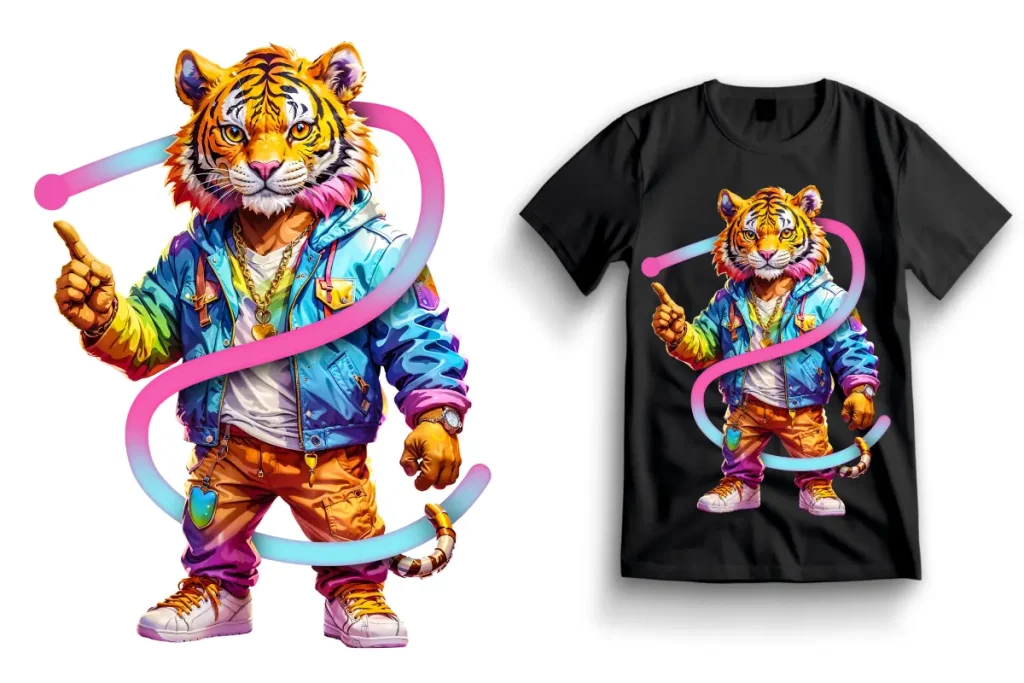
The global custom apparel industry is moving through a massive industrial shift, and custom apparel shops that rely strictly on legacy methods are finding it increasingly difficult to sustain high profit margins. For decades, launching a competitive clothing line meant choosing between the heavy manual labor and high setup costs of screen printing or the strict fabric limitations of direct-to-garment machines. Fortunately, the development of high-fidelity dtf transfers has completely rewritten the rulebook. This multi-layered digital-to-film system enables small business owners, corporate merchandisers, and independent fashion labels to print complex graphic designs onto a clear release film and fuse them permanently onto almost any textile surface. Transitioning your workshop workflow to this reliable technique eliminates tedious preparation while ensuring that every garment leaving your production floor reaches strict retail standards for visual depth and wash stability.
However, running a highly profitable clothing brand takes far more than just purchasing basic equipment. Achieving long-lasting, retail-grade quality depends on an operator’s respect for technical variables, chemical interactions, and mechanical settings. When a finished graphic begins to split or lift away from the edges after a few routine laundry cycles, your brand reputation takes an immediate hit. Bypassing the frustrating trial-and-error phase requires a firm grasp of ink layer physics, hot-melt adhesive properties, and fabric stabilization techniques. As an industry pioneer committed to exceptional textile solutions, Harwin DTF has compiled this comprehensive guide to help decorators secure flawless, commercial-ready results with every press.
The Structural Composition of Next-Generation Prints
To produce a custom garment that can comfortably survive years of regular wear, an operator must look closely at the physical makeup of the modern DTF process. This method does not spray liquid ink formulations directly into the raw fabric fibers. Instead, the process systematically builds a highly stable, multi-layered graphic matrix directly on top of a specially coated polyethylene terephthalate film sheet. This film acts as a temporary carrier, holding wet cyan, magenta, yellow, and black digital inks perfectly in place before applying a dense, highly opaque white ink underbase layer that blocks out the background color of dark garments.
The true foundation of print longevity is established when this wet ink combination meets a specialized thermoplastic polyamide hot-melt adhesive powder. When exposed to controlled heat inside a professional conveyor oven or under a dedicated curing shroud, the dry powder grains melt into a unified, rubberized backing layer. This backing functions as a highly elastic, durable barrier that expands and contracts naturally with the natural movement of the underlying garment fibers. Whether you are transferring onto a heavy canvas tote bag or a highly flexible synthetic polyester jersey, the cured film becomes a direct extension of the item, preventing design degradation and keeping edges perfectly crisp.
Advanced Heat Press Calibration and Moisture Control
A staggering percentage of garment decoration failures do not stem from faulty printing machinery, but rather from subtle calibration mistakes made during the final mechanical pressing phase. Transferring a design permanently onto an item of clothing is a precise mathematical balance of heat, downward force, and timing. Adjusting any of these variables incorrectly can easily cause the hot-melt adhesive to fail to bond with the textile pores.
Precise Temperature Customization Based on Fabric Sensitivity
Different textile fibers exhibit completely unique melting points and thermal tolerances. While standard 100% cotton garments can confidently handle continuous heat up to 320 degrees Fahrenheit, sensitive synthetic performance blends demand a much more cautious approach. Lowering your heat press temperature to approximately 280 degrees Fahrenheit while adding 3 to 4 seconds to the pressing timer allows the adhesive backing to melt smoothly into the knit without scorching the fabric surface or causing unwanted dye gasing.
Achieving True Uniform Downward Pressure
Inconsistent platen pressure is a silent killer across many print shop floors. If your heat press lacks consistent mechanical downforce, the liquified adhesive will simply rest on top of the fabric fuzz rather than locking deeply around the interwoven yarns. Always utilize a heavy, verified pressure setting on your equipment. Using specialty foam insert pads inside garments that feature bulky seams, thick zippers, or heavy collars helps elevate the flat print zone so that the upper heating platen can make uniform contact across the entire graphic sheet.
The Critical Pre-Press Moisture Evaporation Protocol
Apparel materials act like natural sponges, soaking up invisible ambient humidity from their storage boxes or local shipping warehouses. When hit with intense heat from a press, this trapped water instantly flashes into microscopic pockets of steam, trapped directly beneath your freshly pressed transfer sheet. To ensure your print locks down permanently, always implement a mandatory 5 to 8 second pre-press cycle to completely dry out the textile fibers and flatten out stubborn wrinkles before laying down your film.
Securing Supply Chain Stability via Local Production Hubs
In the high-speed world of custom merchandise fulfillment, unexpected logistical delays can severely cripple your operational momentum. Waiting weeks for critical film components from overseas suppliers or dealing with customs holdups can stall your workshop workflow entirely. This operational bottleneck explains why so many growing garment shops and independent regional brands are actively searching for reputable dtf transfers near me to build an immediate, highly resilient backup supply line.
Securing a close, domestic supply partner completely alters your operational potential. It minimizes unexpected freight expenses, protects your inventory against sudden market shortages, and drastically speeds up your final customer delivery windows. Instead of turning away high-volume, tight-deadline corporate orders, local accessibility empowers you to source raw materials, press the apparel, and deliver finished goods within days, allowing you to dominate your local market with ease.
Capitalizing on the Rapid Growth of the Texas Apparel Landscape
The custom merchandise market across Texas is experiencing historic expansion, fueled by corporate brand relocations, competitive athletic organizations, and booming independent design studios. For print operations striving to stand out in this highly competitive arena, sourcing the best dtf transfer at Houston is an essential step toward guaranteeing immaculate graphic resolution and unrivaled color matching. Local clients expect logos to remain beautifully bright and sharp, even when subjected to rugged industrial labor or intense continuous washing cycles.
Furthermore, regional environmental factors can play an unexpected role in daily workshop productivity. High ambient humidity levels can cause low-grade adhesive powders to clump up prematurely during the application phase. Choosing a premium Houston dtf transfer that has been formulated and tested to perform under hot, humid regional climates ensures your automated machinery runs smoothly without unexpected clogs. Harwin DTF specializes in delivering industrial-grade films and highly resilient inks built to survive tough conditions, allowing local printing hubs to scale their operations with absolute peace of mind.
Proactive Diagnostic Guide for Print Shop Operators
Even with access to premium tools, day-to-day workshop variables can occasionally shift. Being able to spot the root causes of small technical errors early saves massive amounts of raw fabric and prevents wasted labor hours. Use this practical diagnostic reference sheet to keep your garment production line highly efficient:
- Design Edges Lifting After Application: This classic issue points to insufficient heat press downforce, low temperature readings, or peeling a cold-peel film before it has fully dropped to room temperature. Re-verify your press settings and let the garment cool completely.
- Ink Cracking After a Single Wash: If a graphic splits apart quickly, the adhesive powder was likely under-cured during the initial heating oven stage, preventing it from forming a solid rubber backing. Ensure your powder is fully melted to an orange-peel texture before pressing.
- Rough or Overly Shiny Surface Textures: Skipping the essential secondary finishing press leaves the top ink layer looking like reflective plastic. Always apply a sheet of high-grade finishing parchment or a matte silicone pad for a swift 5-second post-press to lock in a premium feel.
- Discoloration on Synthetic Sportswear: When dark polyester fabrics are exposed to heavy heat, their synthetic color dyes turn into a gas and bleed upward into light-colored inks. Fix this by lowering your application temperature or using an advanced adhesive powder infused with black carbon blockers.
Frequently Asked Questions
What types of apparel materials work best with film transfers?
One of the primary benefits of this method is its universal fabric compatibility. Unlike older direct-to-garment processes that demand specialized cotton pre-treatment, these transfers bond flawlessly to 100% cotton, heavy denim, pure polyester, nylon, canvas, and various synthetic performance blends without needing chemical sprays.
Can a standard home iron be used for large commercial runs?
While a home iron can melt the backing powder for simple weekend crafts, it cannot generate the intense, perfectly flat mechanical pressure required for a commercial bond. To produce custom items that easily survive dozens of laundry cycles without peeling, a professional manual or pneumatic heat press is an absolute requirement.
What is the correct way to launder these finished garments?
To preserve the pristine detail and vibrant color matching of your custom apparel, garments should always be turned inside out before washing in cold water. Stick to mild liquid detergents, completely avoid aggressive fabric softeners, and opt for low-temperature tumble drying or traditional line drying.
Why does my transfer look blurry or show faint ink spots?
Blurry edges or ghosting lines usually happen when the film sheet shifts slightly while the ink layer is still wet during the automated powder-shaking process. Make sure your printer vacuum system is pulled down flat and your film tracks straight as it moves toward the curing oven.
Scale Your Brand with Reliable Printing Solutions
Navigating the modern custom apparel market requires an equal blend of sound technical preparation and top-tier raw materials. By refining your heat press variables, eliminating moisture variables, and adapting your workflow to handle diverse fabric types, your shop can easily surpass standard market expectations. Delivering garments that look incredible and hold up under heavy use creates lasting trust with your audience. Aligning your workshop with Harwin DTF gives your production team access to the highly consistent, commercial-grade films and inks necessary to optimize daily workflows. Modernize your shop capabilities today and experience the undeniable value of advanced engineering on your bottom line.
Anahtar Kelime: DTF
Kategori: DTF Transfers