
Precision Selection for Custom Apparel Projects
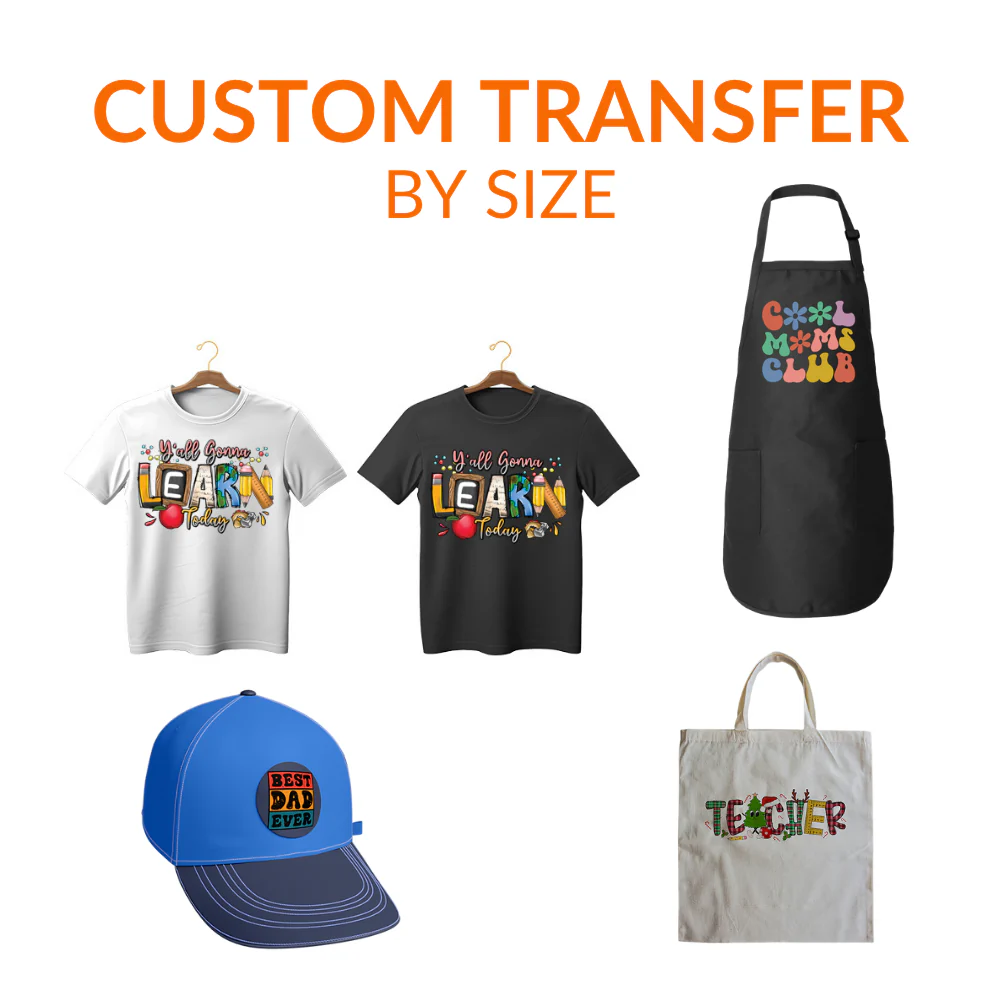
When preparing a high-quality clothing line, understanding the importance of DTF Transfer by Size is the first step toward achieving retail-grade results. Many decorators struggle with standard dimensions that do not fit the specific needs of their artwork, but utilizing DTF Transfer by Size allows for a customized approach that respects the integrity of the original design. This tailored method ensures that whether you are printing on a small pocket or a large back panel, the proportions remain aesthetically pleasing and functionally sound for the wearer. By focusing on exact measurements, you can avoid the common pitfalls of over-stretched or awkwardly placed graphics that often occur with one-size-fits-all solutions.
Optimizing Material Usage and Reducing Waste
Efficiency in the production process is greatly enhanced when you categorize your DTF Transfer by Size, as it allows for a more strategic placement on the transfer film. Implementing a DTF Transfer by Size strategy helps in minimizing the unused space between designs, which directly translates into lower material costs and a more sustainable manufacturing cycle for your business. This careful planning is especially beneficial for high-volume orders where even a small percentage of saved film can lead to significant financial savings over time. Furthermore, having a clear inventory organized by dimensions helps your production team quickly identify the correct transfers for specific garment types, reducing the risk of application errors and improving the overall turnaround time for customer orders.
Ensuring High Resolution and Graphic Clarity
The technical success of a print often depends on the DTF Transfer by Size parameters, which dictate the level of detail that can be successfully captured during the ink-jetting process. When you order your DTF Transfer by Size with specific dimensions in mind, the digital files can be optimized to maintain a high DPI, ensuring that every fine line and vibrant color transition remains crisp on the final garment. Poorly scaled transfers often suffer from pixelation or loss of detail, but a dedicated focus on sizing ensures that the artwork looks professional regardless of the complexity of the design. This commitment to resolution is what separates premium streetwear brands from casual hobbyist projects, providing a depth of color and sharpness that commands attention and withstands the test of time.
Versatility Across Different Garment Types
One of the greatest advantages of a modular DTF Transfer by Size system is its ability to adapt to a wide range of fabric types and product categories effortlessly. Whether you are applying a DTF Transfer by Size to a toddler’s onesie, a standard adult t-shirt, or a large hooded sweatshirt, the ability to scale the transfer ensures a consistent brand identity across your entire catalog. This versatility extends beyond traditional cotton t-shirts to include more challenging materials like polyester blends and nylon, where the correct surface area coverage is critical for proper adhesion and durability. By maintaining a library of various sizes, you can quickly pivot to new product launches without having to redesign your entire graphic lineup, making your brand more agile in a fast-paced and competitive fashion market.
Long Term Durability and Professional Finish
The longevity of a custom-printed garment is often influenced by how the DTF Transfer by Size interacts with the fabric’s natural stretch and movement patterns during daily wear. A correctly chosen DTF Transfer by Size will sit comfortably on the garment, resisting the cracking or peeling that can occur when a design is too large or too heavy for the underlying material. Because these transfers are engineered to bond deeply with the fibers, the result is a soft-hand feel that remains flexible and vibrant even after dozens of industrial-strength laundry cycles. Investing in a systematic approach to sizing not only improves the immediate visual appeal of your products but also builds customer trust by delivering a reliable, high-quality garment that maintains its aesthetic integrity for years to come.
Frequently Asked Questions
What is the standard measurement for a chest logo?
A standard chest logo is typically between three to four inches wide depending on the garment size.
Can I order multiple sizes in a single batch?
Yes you can choose various dimensions for your designs to fit a wide range of different apparel items.
How does sizing affect the cost of the transfer?
The price is generally calculated based on the total area of the film used for your specific dimensions.
Is there a limit to how large a transfer can be?
The maximum size is usually determined by the width of the printer roll which is often twenty four inches.
Does the size of the transfer impact the pressing time?
The pressing time remains consistent but larger designs may require more careful heat distribution across the surface.
Will a larger transfer make the shirt feel heavy?
Because DTF ink is applied in a thin layer even larger transfers remain relatively lightweight and flexible on the fabric.
How do I know which size is best for a youth shirt?
We recommend measuring the printable area of the youth garment to ensure the design does not hit the seams.
Can I get a custom size that is not listed on the standard menu?
Most professional services allow you to input custom width and height requirements for total creative control.
Does the resolution change if I scale my design up?
You must ensure your original file is high resolution so that the quality remains crisp when scaled to larger sizes.
What is the smallest size available for detailed logos?
We can produce transfers as small as one inch but very fine text may require a minimum width for clarity.
Reviews
There are no reviews yet.